


7 Common Myths About Collectible Currency (And the Real Facts)

Collecting paper money can be an exciting and rewarding hobby, but it's also surrounded by misconceptions that can lead collectors down costly paths. Whether you're just starting out or have been collecting for years, these persistent myths continue to circulate in collector circles, online forums, and even among some dealers. Let's separate fact from fiction and help you make smarter collecting decisions.
Myth 1: All Old Bills Are Automatically Valuable
The Reality: Age alone doesn't determine value: it's just one piece of the puzzle.
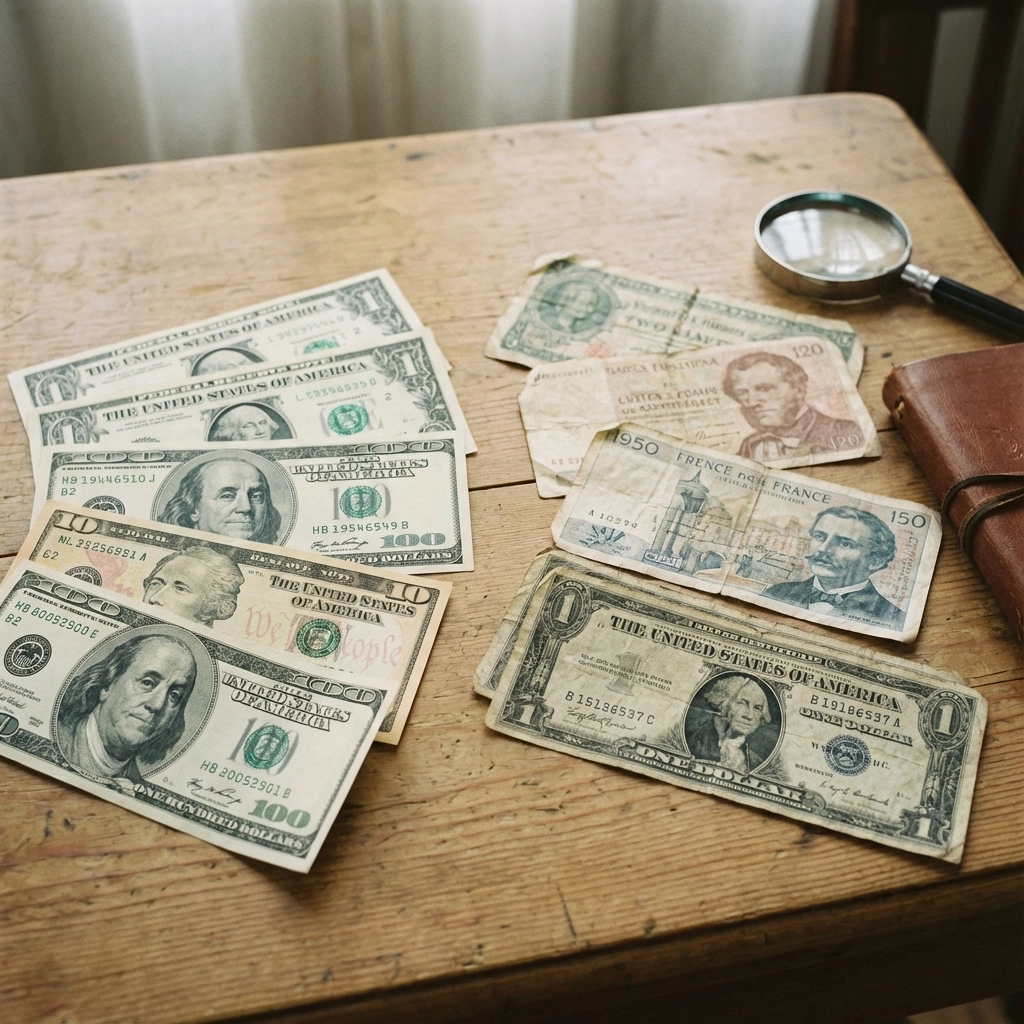
It might seem like common sense that a 50-year-old bill would be worth more than face value, but this assumption has led countless collectors to overpay for common notes. A 1963 $1 bill in average condition might only be worth $1.50-$2.00, despite being over 60 years old. Meanwhile, a 1976 $2 bill with a printing error could be worth thousands.
What actually determines value:
- Rarity (how many were printed and survived)
- Condition (uncirculated vs. heavily worn)
- Demand (collector interest)
- Historical significance (special printings, wartime issues, etc.)
Pro Tip: Before assuming an old note is valuable, research the print run numbers. Some "old" bills had massive production runs and remain common today.
Myth 2: You Should Clean or Press Your Currency
The Reality: Cleaning paper money almost always destroys its collector value.
This myth has ruined more collections than any other single mistake. We've seen collectors use everything from soap and water to household chemicals, thinking they're "improving" their notes. The truth is that original, untouched condition: even if it looks dirty or worn: is what collectors and graders value most.
What cleaning actually does:
- Removes original inks and dyes
- Changes the paper's natural characteristics
- Creates artificial wear patterns that experts can easily identify
- Potentially introduces foreign substances that worsen over time
Even professional conservation should only be attempted by certified currency conservation specialists, and it's rarely worth the cost except for extremely rare notes.
Myth 3: Fancy Serial Numbers Are Always Worth Big Money
The Reality: Serial number premiums vary wildly, and most "fancy" numbers add minimal value.
Social media has amplified this myth with viral posts showing $1 bills supposedly worth thousands due to their serial numbers. While some serial numbers do carry premiums, the vast majority add little to no value over face value.
Serial numbers that may carry premiums:
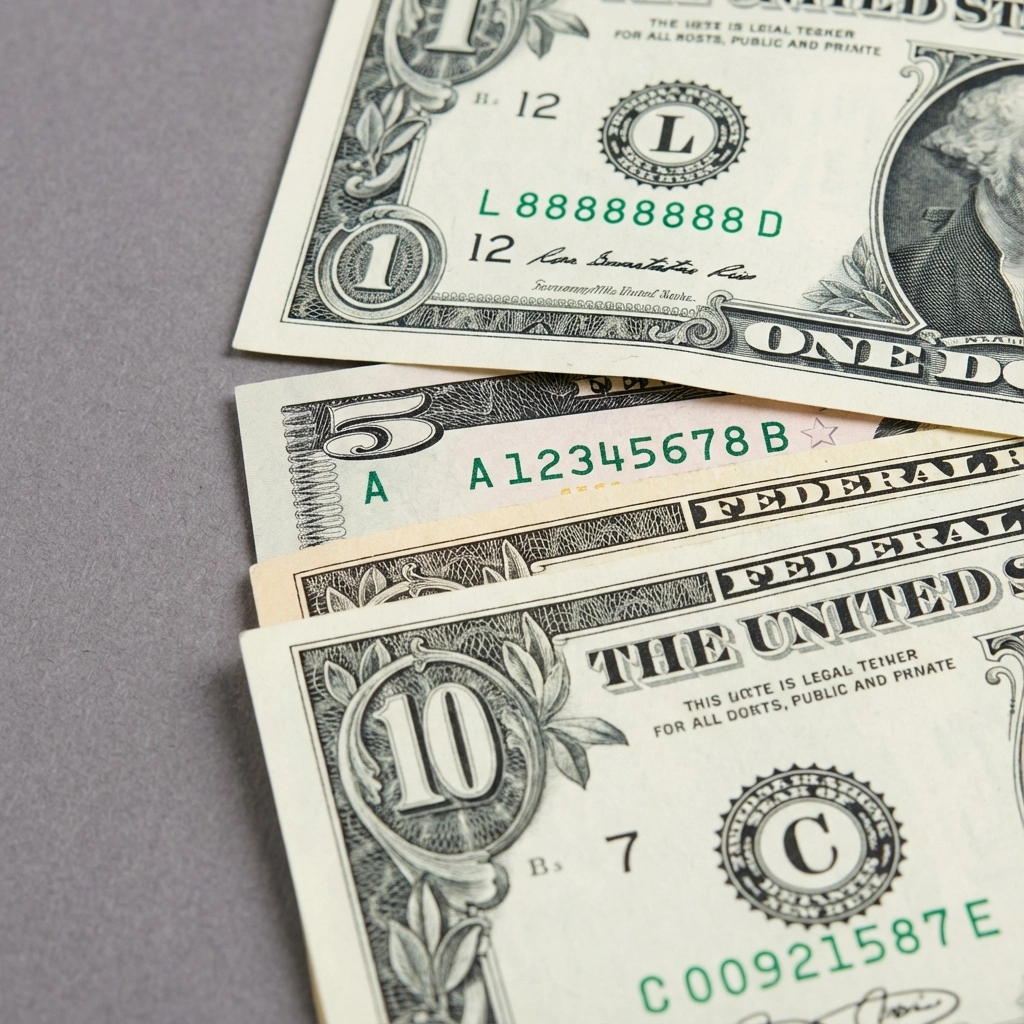
- True radars (reads the same forwards and backwards: 12344321)
- Low serial numbers (00000001-00000100)
- Solid numbers (all the same digit: 77777777)
- Ladder sequences (12345678 or 87654321)
Serial numbers that usually don't add significant value:
- Birth years or anniversaries
- "Lucky" numbers like 777 or 888
- Partial patterns with one digit off
- Common repeating patterns
For detailed information about which serial numbers actually carry value, check out our guides on radar notes and repeater notes.
Myth 4: Error Notes Are Easy to Authenticate and Always Valuable
The Reality: Distinguishing genuine errors from damage or forgeries requires expertise, and not all errors are valuable.
The error note market has attracted both legitimate collectors and those looking to pass off damaged bills as valuable errors. This has created a minefield for beginners who might mistake post-printing damage for mint errors, or worse, fall victim to altered notes being sold as genuine errors.
Common misconceptions about errors:
- Folded corners or off-center printing (minor errors are common and add little value)
- Damaged notes mistaken for errors (torn edges, stains, or writing aren't mint errors)
- Overestimating error rarity (some "errors" occurred frequently and aren't particularly valuable)
Red flags to watch for:
- Sellers who can't explain the error type specifically
- Errors that seem too perfect or dramatic
- Prices that seem too good to be true
- Lack of third-party authentication for high-value claims
Myth 5: Professional Grading Always Increases Value
The Reality: Grading costs money, and not every note benefits from professional authentication.
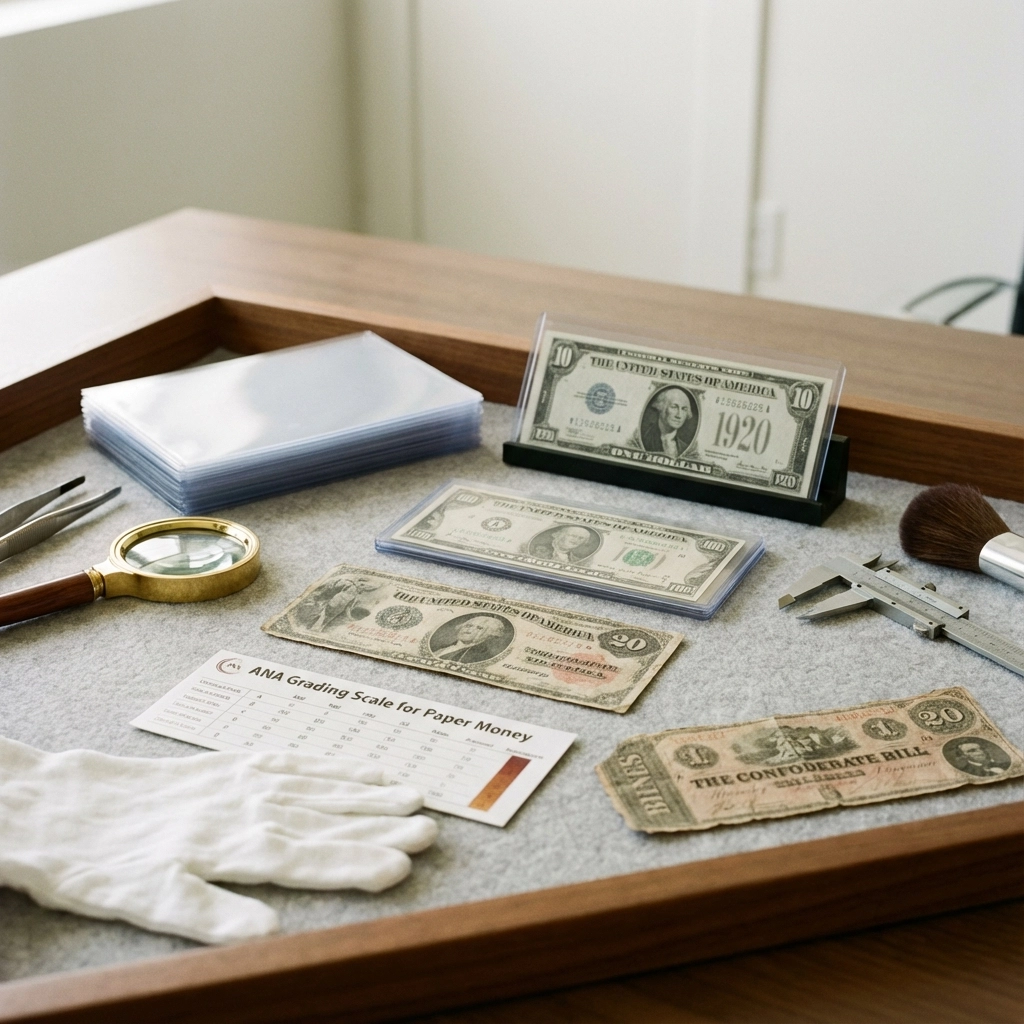
Professional grading services like PMG, PCGS, and Legacy provide valuable authentication and condition assessment, but they're not magic value-enhancers. The grading fee (typically $20-50+ per note) needs to be justified by the note's potential value increase.
When grading makes sense:
- High-value notes where authentication protects your investment
- Notes in exceptional condition (potentially Gem Uncirculated)
- Rare errors or varieties where third-party verification adds credibility
- Notes you plan to sell where buyers demand professional grading
When grading might not be worth it:
- Common notes in average condition
- Notes worth less than 3-4 times the grading fee
- Personal collection items you never plan to sell
- Notes being sold to a reputable dealer that is familiar with the grading standards and will encourage you to keep your money and not waste it on grading.
Myth 6: Online Buying Is Either Completely Safe or Completely Risky
The Reality: Online currency purchases can be both safe and risky: success depends on knowing what to look for.
Some collectors avoid online purchases entirely due to fear of fraud, while others buy impulsively without proper research. The truth lies somewhere in between, and educated online buying can actually provide access to better selection and prices than local options.
Safe online buying practices:
- Research the seller thoroughly (check ratings, reviews, business history)
- Understand return policies before purchasing
- Ask for additional photos if needed
- Use secure payment methods that offer buyer protection
- Start small with new sellers to build trust
Warning signs to avoid:
- Sellers with no track record or poor reviews
- Prices significantly below market value (too good to be true)
- Poor quality photos or reluctance to provide additional images
- Pressure to buy quickly or outside platform protections
At Executive Currency, we've been serving collectors online for years, and transparency in our listings and customer service is what builds long-term relationships with our collecting community since 1981.
Myth 7: The Market Always Goes Up (or Always Goes Down)
The Reality: Currency markets fluctuate based on multiple factors, and timing isn't everything.
Market pessimists claim collectible currency is a dying hobby that will never recover, while eternal optimists insist every note will appreciate over time. Both extremes miss the nuanced reality of currency collecting markets.
Factors that actually influence currency values:
- Collector base demographics (generational interest shifts)
- Economic conditions (affecting discretionary spending)
- New discoveries (finding hoards of "rare" notes can change values overnight)
- Authentication improvements (better detection of counterfeits/alterations)
- Pop culture influences (movies, TV shows can spike interest in certain eras)
Smart collecting approach:
- Collect what genuinely interests you first
- Diversify across different series and time periods
- Focus on quality and authenticity over quick appreciation
- Stay informed about market trends without making panic decisions
- Remember that the best collections are built over years, not months
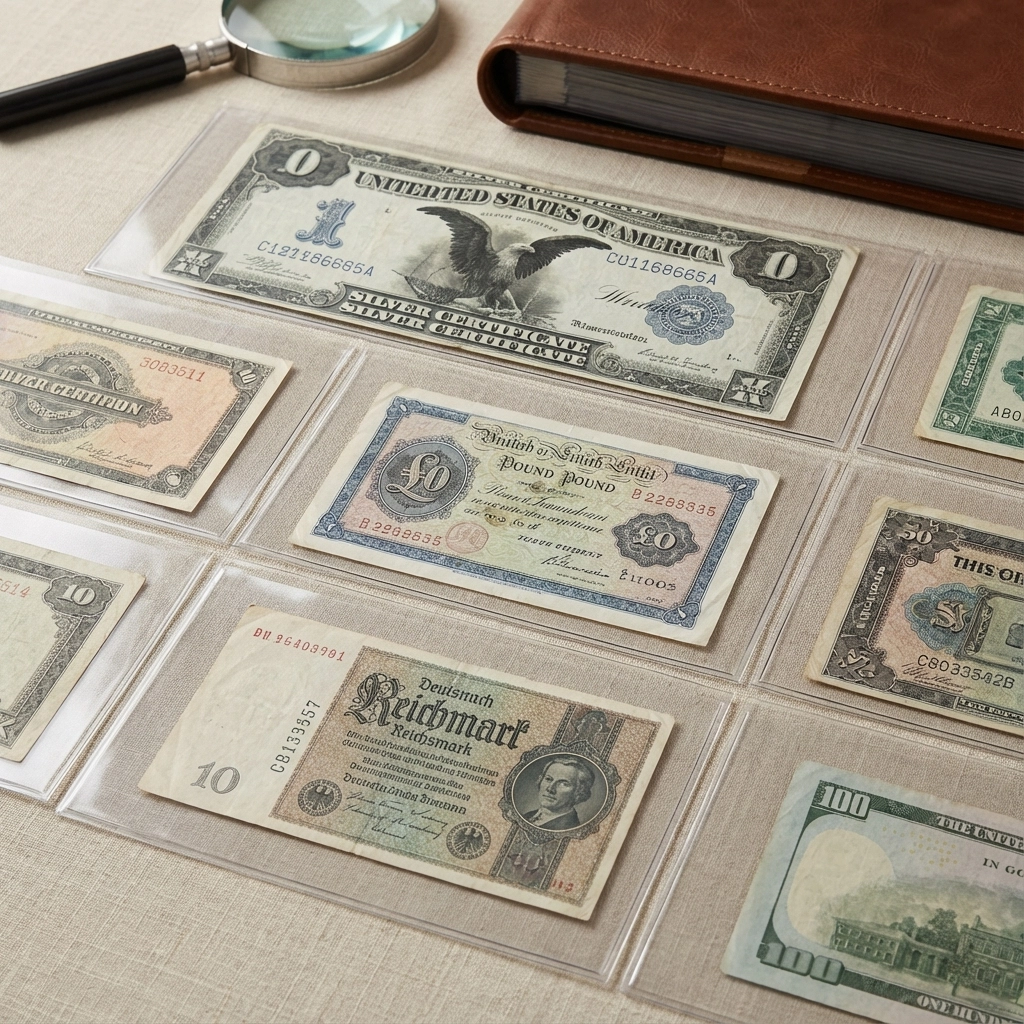
Building Your Collection with Facts, Not Fiction
Understanding these myths helps you avoid common pitfalls and make informed decisions about your collecting journey. Whether you're just getting started or looking to expand your existing collection, focus on education first and impulse purchases last.
Key takeaways for smart collecting:
- Research before you buy: knowledge is your best protection
- Condition and rarity matter more than age alone
- Professional help (grading, authentication) should match the note's value potential
- Online and in-person purchases both have their place when done carefully
- Collect for enjoyment first, investment potential second
The world of collectible currency offers endless fascination for those willing to learn, and at Executive Currency, we're here to help you navigate this exciting hobby with confidence. Whether you're starting your first collection or looking to sell pieces from an established collection, having the right information makes all the difference.
Remember: the most successful collectors are those who balance passion with knowledge, and enjoyment with prudence. Happy collecting!