



How to Read and Decode Federal Reserve Serial Numbers (With Visual Examples)
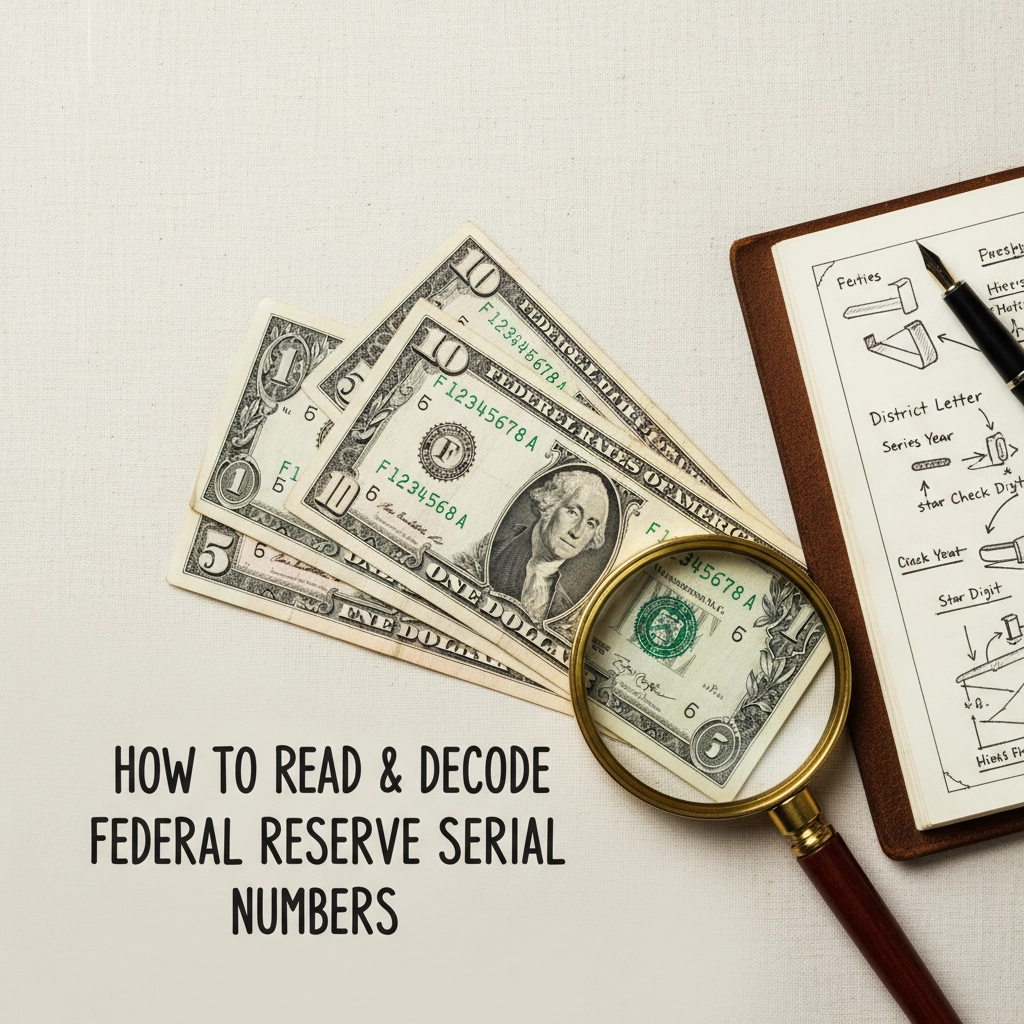
It might seem like common sense to most collectors, but understanding how to decode serial number money is one of the most valuable skills you can develop in currency collecting. Whether you're a beginner just starting to learn how to read serial number on bill formats or an experienced collector hunting for that next prize addition, mastering Federal Reserve serial numbers opens up a world of collecting opportunities: and potential profits.
Warning: Many new collectors make costly mistakes by misidentifying serial number patterns or overlooking valuable designations. Taking time to properly understand these systems can mean the difference between finding a $20 bill worth face value and discovering a $20 bill worth hundreds or even thousands of dollars.
Understanding Modern Federal Reserve Serial Numbers (Series 1996-Present)
Starting with Series 1996, the Bureau of Engraving and Printing revolutionized how Federal Reserve serial numbers work. If you're holding any bill from 1996 onward, you're looking at a sophisticated coding system that tells an entire story about your note's origin and production.
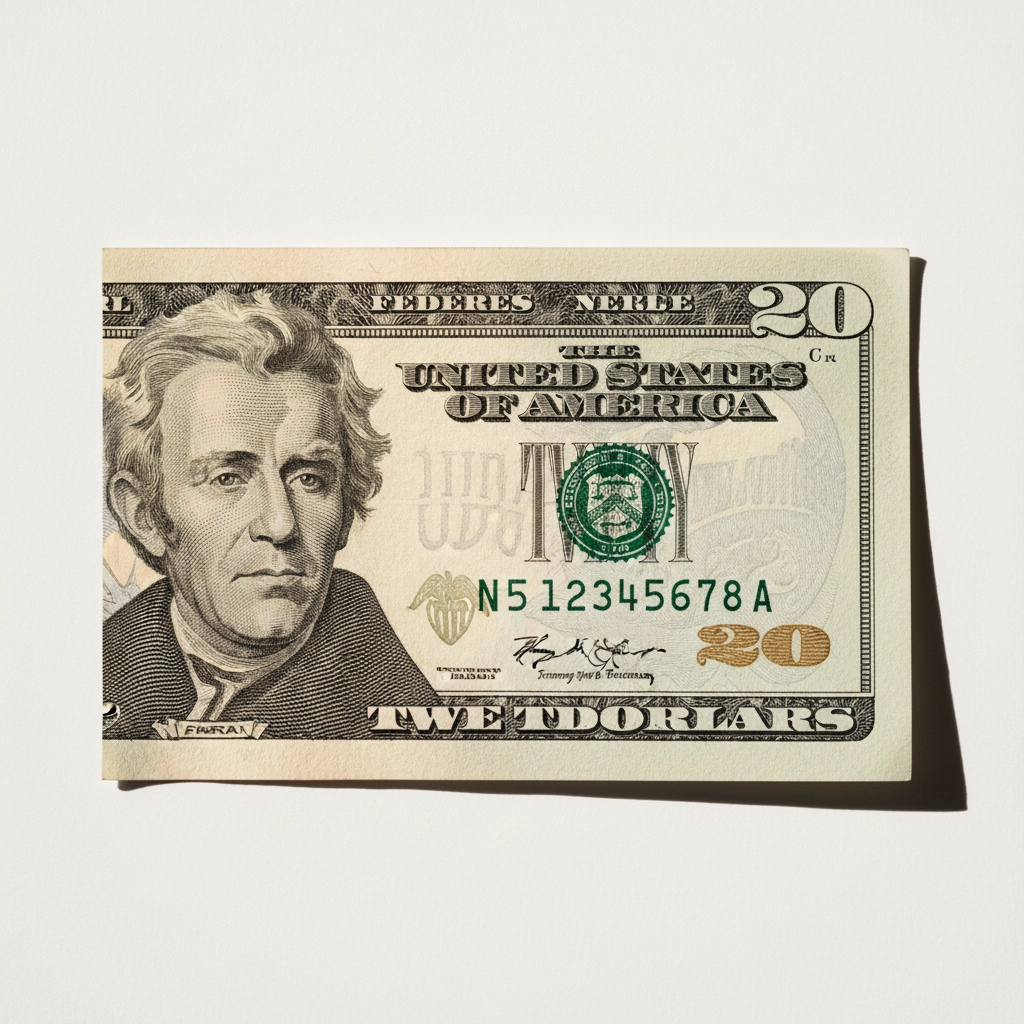
The modern format follows this structure:
[Series Letter][Bank Letter][Eight Digits][Position Letter]
For example: N5 12345678A
Let's break this down component by component, because each element reveals crucial information about your bill's history and potential value.
The Series Letter: Your Bill's Age Identifier
The first letter in modern Federal Reserve serial numbers corresponds directly to the series year when that particular design was approved. This isn't necessarily when your specific bill was printed: production can continue for years after a series is approved: but it tells you the design generation.
Here's the complete series letter breakdown:
- A = Series 1996
- B = Series 1999
- C = Series 2001
- D = Series 2003
- E = Series 2004
- G = Series 2004A
- I = Series 2006
- J = Series 2009
- L = Series 2009A
- M = Series 2013
- N = Series 2017
- P = Series 2017A
Notice how some letters are skipped? The Bureau intentionally avoids certain letters that could cause confusion or have special designations.
Federal Reserve Bank Codes: Where Your Money Originated
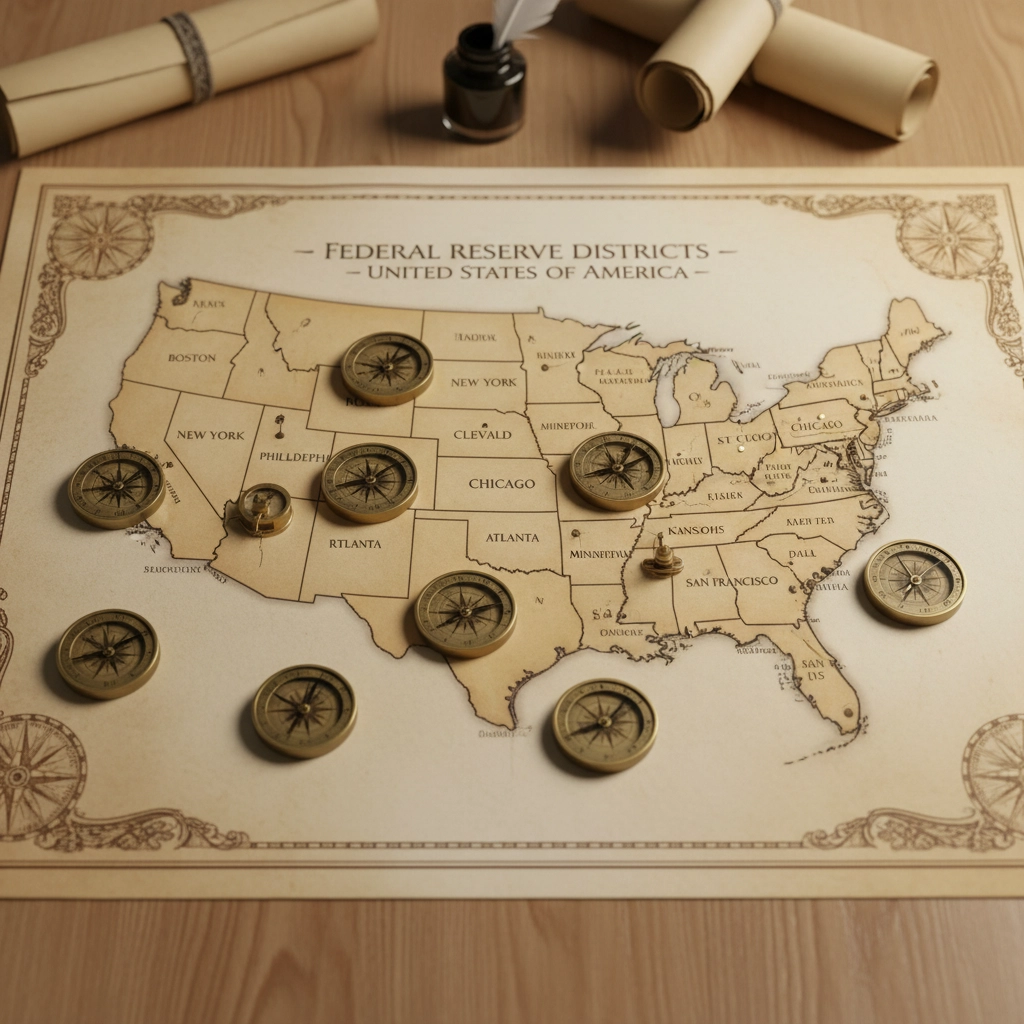
The second letter identifies which of the 12 Federal Reserve Banks issued your note. This is where geography meets collecting, and some banks are significantly rarer than others depending on the denomination and series.
Complete Federal Reserve Bank Directory:
- A = Boston (1st District)
- B = New York (2nd District)
- C = Philadelphia (3rd District)
- D = Cleveland (4th District)
- E = Richmond (5th District)
- F = Atlanta (6th District)
- G = Chicago (7th District)
- H = St. Louis (8th District)
- I = Minneapolis (9th District)
- J = Kansas City (10th District)
- K = Dallas (11th District)
- L = San Francisco (12th District)
Collector Tip: Minneapolis (I) and Kansas City (J) typically have lower print runs for higher denominations, making them more sought-after in the collector market.
The Eight-Digit Serial Number: Your Bill's Unique Identifier
These eight digits represent your note's position in the production run. Traditionally, these numbers were assigned consecutively, but here's where things get interesting for collectors: and where recent changes have created some confusion.
Recent Production Changes (2023-Present): The U.S. Currency Program began modernizing printing equipment, which means newer notes may have non-consecutive serial numbers. This represents a significant shift from decades of traditional production methods.
Position Letters: Understanding Print Cycles
The final letter indicates where your note falls within a specific print cycle. This letter advances through the alphabet (skipping O and Z) as each block of notes is completed.
Why O and Z are skipped:
- O looks too similar to zero (0)
- Z is reserved for specimen notes and test printings
When you see a star (★) instead of a letter, you've found a replacement note: these were printed to replace defective bills and are typically worth more than face value to collectors.
Pre-1996 Serial Number Format: The Historical System
Before 1996, Federal Reserve serial numbers used a simpler three-component system:
[Bank Letter][Eight Digits][Position Letter]
Example: B12345678A
This format had just one letter at the beginning (identifying the Federal Reserve Bank) rather than the dual-letter system we see today. While simpler, these older notes can be extremely valuable, especially in higher grades.
Locating Serial Numbers on Your Bills
Modern bills display serial numbers in two locations on the face:
- Upper right corner
- Lower left corner
Pro Tip: On redesigned $5, $10, $20, $50, and $100 notes, look for the Federal Reserve Bank identifier (letter and number combination) directly beneath the left serial number. This should correspond to your second serial number letter.
Looking Forward: What Changes Mean for Collectors
The recent shift to non-consecutive serial numbers represents the most significant change to U.S. currency production in decades. While it's too early to know the full impact, this could affect:
- Traditional collecting patterns focused on consecutive runs
- The rarity of certain number combinations
- Future fancy serial number availability
We're monitoring these developments closely and will continue updating collectors as more information becomes available.
Your Next Steps in Currency Collecting
Armed with this knowledge of how to decode Federal Reserve serial numbers, you're ready to start identifying valuable notes in circulation and building a more informed collection. Remember that successful currency collecting combines knowledge, patience, and careful attention to detail.
Whether you're checking bills in your wallet tonight or planning your next coin show visit, keep this guide handy. The ability to quickly identify and evaluate serial number patterns will serve you well throughout your collecting journey.
Most importantly, have fun with the process! Every bill tells a story through its serial number, and learning to read these stories is one of the most rewarding aspects of currency collecting. Happy collecting!