


7 Mistakes You're Making When Valuing Radar Bills (And How Much They're Really Worth)
It might seem like common sense to assume that any bill with a palindromic serial number is automatically valuable, but the world of radar bill collecting is far more nuanced than most people realize. Even experienced collectors can fall into common valuation traps that cost them money: either by overpaying for ordinary examples or undervaluing true gems.
After years of working with currency collectors and witnessing countless transactions, we've identified the most frequent mistakes that both newcomers and seasoned collectors make when assessing radar bills. Understanding these pitfalls can be the difference between a profitable collection and expensive learning experiences.
Mistake #1: Thinking All Radar Bills Are Created Equal
The Problem: Many collectors assume that any bill with a palindromic serial number (reading the same forward and backward) automatically carries significant collector value. This oversimplification leads to poor purchasing decisions and unrealistic expectations.
The Reality: Not all radar bills command premium prices. A common $1 bill with a basic radar serial number like 39811893 might only be worth $10-20 above face value, while a $100 radar bill from a scarce series could fetch hundreds of dollars.
What You Should Do: Research the specific denomination, series year, and rarity before making any valuation assumptions. Focus on bills from scarce series or higher denominations for better investment potential.
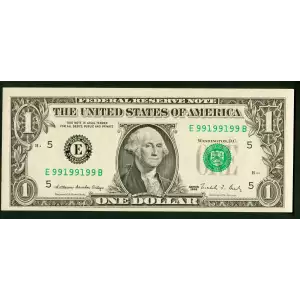 (Visual example: a basic $1 radar. Notice the mirrored serial sequence; premiums depend on denomination, series, and grade.)
Mistake #2: Ignoring Condition and Grade
The Problem: Collectors get so excited about finding a radar serial number that they overlook the bill's physical condition, which dramatically impacts value.
The Reality: A radar bill in poor condition (heavily worn, stained, or damaged) might only be worth face value or slightly above, regardless of its interesting serial number. Meanwhile, a crisp uncirculated radar bill can command significant premiums.
Professional grading services use strict standards, and even minor imperfections can drop a bill from "Gem Uncirculated" to "Very Fine," potentially cutting its value in half.
What You Should Do: Always assess condition first. Look for creases, stains, tears, or writing. When possible, purchase radar bills that have been professionally graded, or learn to grade accurately yourself.
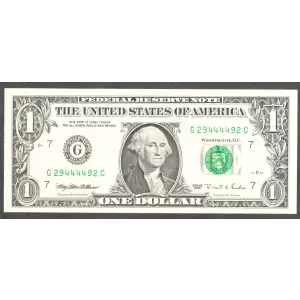 (Condition tip: uncirculated radar notes show embossing, no folds, and bright, original paper. Worn examples bring far less even with the same palindrome.)
Mistake #3: Confusing Radar Bills with Other Fancy Serial Numbers
The Problem: The terminology around fancy serial numbers can be confusing, leading collectors to mislabel bills and establish incorrect valuations.
The Reality: A true radar bill reads exactly the same forward and backward (like 45677654). This differs from:
- Repeater bills: Same digits repeated (like 77777777)
- Rotator bills: Look the same when rotated 180 degrees
- Flipper bills: Look the same when flipped upside down
Each category has different rarity levels and values. A super radar (like 12121212) is exponentially rarer and more valuable than a simple radar.
What You Should Do: Learn the precise definitions and don't interchange terms. Accurately categorize your bills to establish proper valuations.
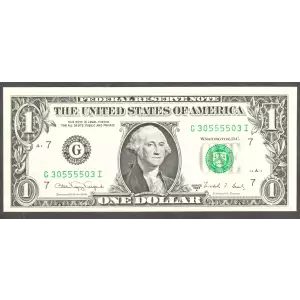 (Definition check: a radar reads the same forward/backward; repeaters and solids are different categories with their own values.)
Mistake #4: Relying on Outdated Price Guides
The Problem: Many collectors still reference outdated price guides or use prices from years-old forum posts to value their radar bills.
The Reality: The currency collecting market is dynamic. Recent auction results show radar bills selling for anywhere from $10 to over $400, depending on multiple factors.
What You Should Do: Check recent sold listings on auction sites, monitor current dealer prices, and join active collecting communities for real-time market insights. Price guides should be starting points, not definitive valuations.
Mistake #5: Overlooking Denomination Impact
The Problem: Collectors often apply the same valuation logic across all denominations without considering how face value affects premium percentages.
The Reality: A 100% premium on a $1 radar bill means it's worth $2 total. The same percentage premium on a $100 radar bill means it's worth $200. Higher denomination radar bills naturally command higher absolute prices, but the percentage premiums can vary significantly.
Additionally, certain denominations are collected more actively. $2 bills, for instance, have a dedicated following that often drives premiums higher than their rarity would typically suggest.
What You Should Do: Consider both absolute value and percentage premiums. Factor in the denomination's popularity among collectors when establishing expectations.
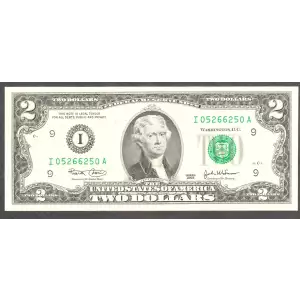 (Note how $2 bills have a devoted following—demand can lift premiums beyond what rarity alone would suggest.)
Mistake #6: Failing to Verify Authenticity
The Problem: With modern printing technology, fake bills with artificial "radar" serial numbers have appeared in the market. Some collectors assume that finding a radar bill in circulation guarantees authenticity.
The Reality: Counterfeiting techniques have become sophisticated, and altered serial numbers can fool casual examination. Additionally, some legitimate bills have had their serial numbers artificially modified after printing.
What You Should Do: Learn basic authentication techniques including:
- Examining paper quality and texture
- Checking security features like watermarks and security strips
- Verifying that serial numbers match the bill's series and signatures
- When in doubt, seek professional authentication
Mistake #7: Not Understanding Rarity Factors Beyond the Serial Number
The Problem: Collectors focus exclusively on the palindromic pattern while ignoring other factors that significantly impact rarity and value.
The Reality: Several factors beyond the serial number pattern affect a radar bill's value:
- Series year and signatures: Some combinations are much scarcer
- Federal Reserve district: Certain districts had smaller print runs
- Print position: Web notes vs. sheet notes have different rarity levels
- Star notes: Replacement bills with radar serial numbers are exponentially rarer
For example, a radar star note (indicated by a star after the serial number) from a low-production series could be worth a few times more than a regular radar bill with the same denomination.
What You Should Do: Research the complete context of your bill. Check series information, signature combinations, and special designations. Consider consulting with experts who specialize in currency collecting for valuable pieces.
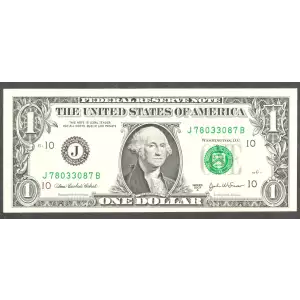 (Rarity factors beyond the palindrome—series, district letters, and star notes—can multiply value.)
Understanding True Market Values
Current market data reveals that radar bill values typically range from $10-50 for common examples to several hundred dollars for exceptional pieces. The most valuable radar bills combine multiple rare factors: high denomination, scarce series, excellent condition, and additional fancy number characteristics.
Recent sales data shows:
- Basic $1 radar bills: $10-25
- $5 radar bills in good condition: $25-75
- $20 radar bills: $50-150
- $100 radar bills: $100-400+
- Radar star notes: 3-10x regular radar premiums
- Radar-repeater combinations: $200-500+
Remember that these ranges can shift based on market conditions, specific rarity factors, and collector demand.
Making Smart Collecting Decisions
The key to successful radar bill collecting lies in education and patience. Join collecting communities, follow reputable dealers, and study market trends before making significant purchases. Consider working with established dealers who can provide authentication and fair market valuations.
Most importantly, collect what genuinely interests you. While radar bills can be profitable investments, the most successful collectors are those who genuinely enjoy the hunt and appreciate the artistry of these unique pieces.
Whether you're just starting your collection or refining your expertise, avoiding these common mistakes will help you make more informed decisions and build a collection you can truly be proud of. Happy collecting!